
How to Grow Herbs on a Sunny Kitchen Windowsill
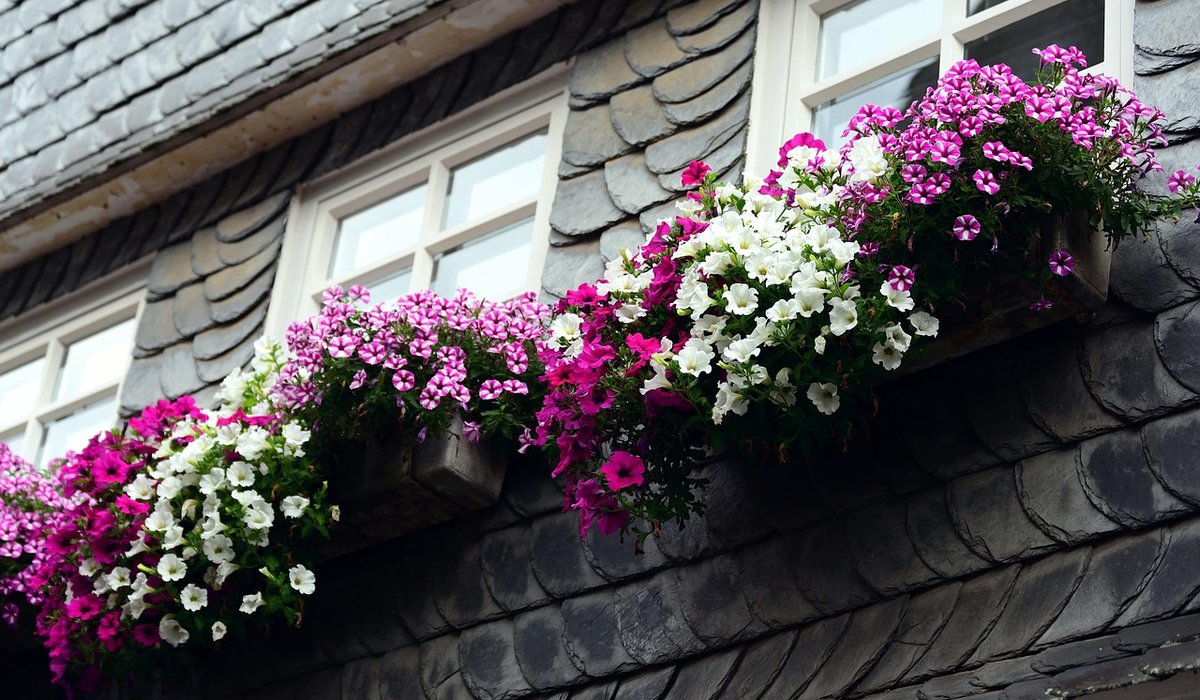
A sunny kitchen windowsill is the smallest plot you will ever garden, and often the most rewarding. It sits within arm's reach of the kettle, basks in the warmth spilling out of the kitchen, and can supply fresh basil, chives and mint from spring right through to autumn. Get the conditions right and you will be snipping your own herbs instead of buying tired supermarket pots.
Why a Sunny Windowsill Suits Herbs So Well
A south- or west-facing sill is the closest thing most UK homes have to the Mediterranean. Basil, oregano and thyme evolved on dry, sun-baked hillsides, so a bright, warm, slightly arid spot suits them far better than a cool shaded border. In practice, aim for four to six hours of direct sun a day, and favour morning sun over fierce late-afternoon glare.
Two things to keep in mind. Glass concentrates heat, and a sill behind double glazing can reach 35°C on a July afternoon, so open the window when you can. Equally, UK light levels drop sharply in winter, and a sill behind closed curtains loses light while gaining cold. Most kitchen herbs sulk or go dormant from November to February — that is normal, not failure.
The Best Herbs to Grow Indoors
Some herbs take to indoor life; others merely tolerate it. These are the reliable ones.
- Sweet basil — the classic. It needs warmth (no lower than about 12°C at night), plenty of sun and regular pinching. Treat it as an annual and sow fresh each spring.
- Chives — tough, forgiving and content in a 15cm pot. Snip the leaves and they regrow within a fortnight.
- Flat-leaf parsley — slow to germinate, steady once up. Cut outer stems at the base and the heart keeps producing.
- Mint — vigorous to the point of thuggery. Give it its own pot, or it will swamp its neighbours.
- Coriander — quick and generous, but it bolts in heat. Sow a few seeds every three weeks.
- Oregano and marjoram — compact and drought-tolerant, happy to be left alone for a few days.
Rosemary, thyme and sage survive a windowsill but rarely thrive there; they prefer cool, airy conditions outdoors. If you have a balcony, grow them there and keep the sill for softer-leaved, thirstier herbs.
Pots, Compost and Drainage
Size matters more than style. A 12–15cm pot suits most herbs, basil and mint appreciate 18–20cm, and a 60cm trough makes an attractive mixed display. Whatever you choose must have drainage holes — without them, roots sit in stagnant water and rot within weeks.
- Terracotta looks lovely and breathes well, but dries out fast. Glazed ceramic or plastic holds moisture longer and is easier to manage.
- Compost: peat-free multipurpose suits most herbs. For thyme, oregano and rosemary, mix in a third grit or perlite for sharper drainage.
- Saucers are essential on a wooden sill. Water into the saucer and tip away anything left after half an hour.
- Feed with a weak liquid seaweed or tomato feed every fortnight from March to September. Go easy on woody herbs — too much food means soft, flavourless leaves.
A Watering Routine That Actually Works
More windowsill herbs die of kindness than neglect. Overwatering is the most common mistake, so water by need rather than by clock.
- The weight test: lift the pot. Light means dry; heavy means leave it alone. This beats any schedule.
- Summer: small pots may need water daily, occasionally twice, especially in a hot window. Check each morning.
- Winter: cut right back — once a week, or less, is often plenty.
- Water in the morning, aiming at the compost rather than the leaves; wet foliage in strong sun scorches and encourages mildew.
- Rotate each pot a quarter-turn weekly so stems grow straight instead of leaning into the glass.
Harvesting for a Steady Supply
Harvesting is really pruning: done well, it makes plants bushier and keeps leaves coming for months.
- Basil: pinch just above a pair of leaves, never taking more than a third of the plant at once, and remove flower buds as soon as they appear.
- Parsley and coriander: cut outer stems down to the base, leaving new growth in the centre to carry on.
- Chives: snip about 2cm above the compost, and never cut the whole clump in one go.
- Mint: take sprigs from the top, which keeps plants compact rather than sprawling.
Rinse and use within a day or two — home-grown herbs lose their punch quickly once cut.
Troubleshooting Common Problems
- Long, spindly stems: not enough light. Move the pot closer to the glass or raise it on a small stand.
- Yellowing lower leaves: usually too much water. Let the top centimetre of compost dry before watering again.
- Tiny black flies: fungus gnats, drawn to damp compost. Water from below and let the surface dry out.
- Fine webbing or pale speckling: spider mite, a hot dry-air problem. Group pots together and mist occasionally to raise humidity.
- Greenfly: rinse them off under a lukewarm tap and check new growth every few days.
Keep a few pots of different herbs going and sow replacements before the old ones fade, and you will have a kitchen garden that earns its keep from early spring to the first dark evenings of autumn.

4 Comments